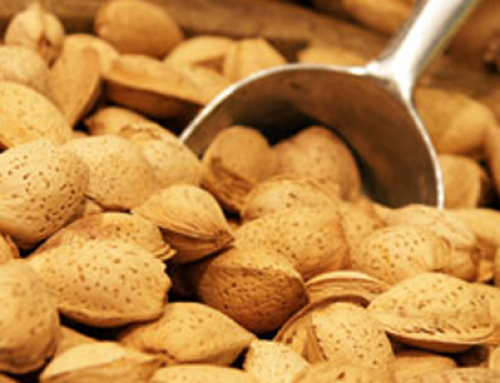
Why almonds? Short history and facts:
The almonds are one of the most healthy fruits. Althow they are well known as nuts, from the botanical point of view it is classified with the peach in the subgenus Amygdalus, within the genus Prunus distinguished from the other subgenera by the corrugated shell surrounding the seed. The fruit of the almond is a drupe, consisting of an outer hull and a hard shell with the seed (which is not a true nut) inside. Shelling almonds refers to removing the shell to reveal the seed. The platns has been cultivated over wild almond tree or a peach tree.
The almonds are named also “the Qween of Rosacea family”. The tree has a decorative shape and rarely becomes over 12 m of high. The bloom contains a lot of “fruit nectar”. The fruit matures in the end of summer.
The almond “nut” is full of fat at the same time healthy and tasty. Its benefits are well known since the ancient times. It is native to the Mediterranean climate region of the Southwest Asia and Nord Africa but the cultivated trees could be grown in northern regions as well.
The almonds are really impressive plant both with their delicious taste and healthy ingredients – the best combination. They lower the level of the “bad cholesterol” and prevent cardio-vascular problems due to the Omega 3 and Vitamin E. They improve the digestive function with the help of high level of fibers. They even prevent the diabetic risk and “catch” the free “bad” radicals.
Fortunately, the delicately flavored and versatile almond is available throughout the year!!!
Herewith a small number of almond ingredients:
- Antioxidants;
- Proteins;
- Carbohydrates;
- Fibers;
- Omega fats;
- Vitamins – À, Å, Ê, Â1, Â2, B3, B7, Â9, Â6, B17, H;
- Calcium, Cuprum, Iron, Magnesium, Manganese, Molybdenum, Phosphor, Potassium, Selenium, Zink;
- Animo acids – Alanin, Arginin, Cistein, Glicin, Aspartat, Tirozyn.